
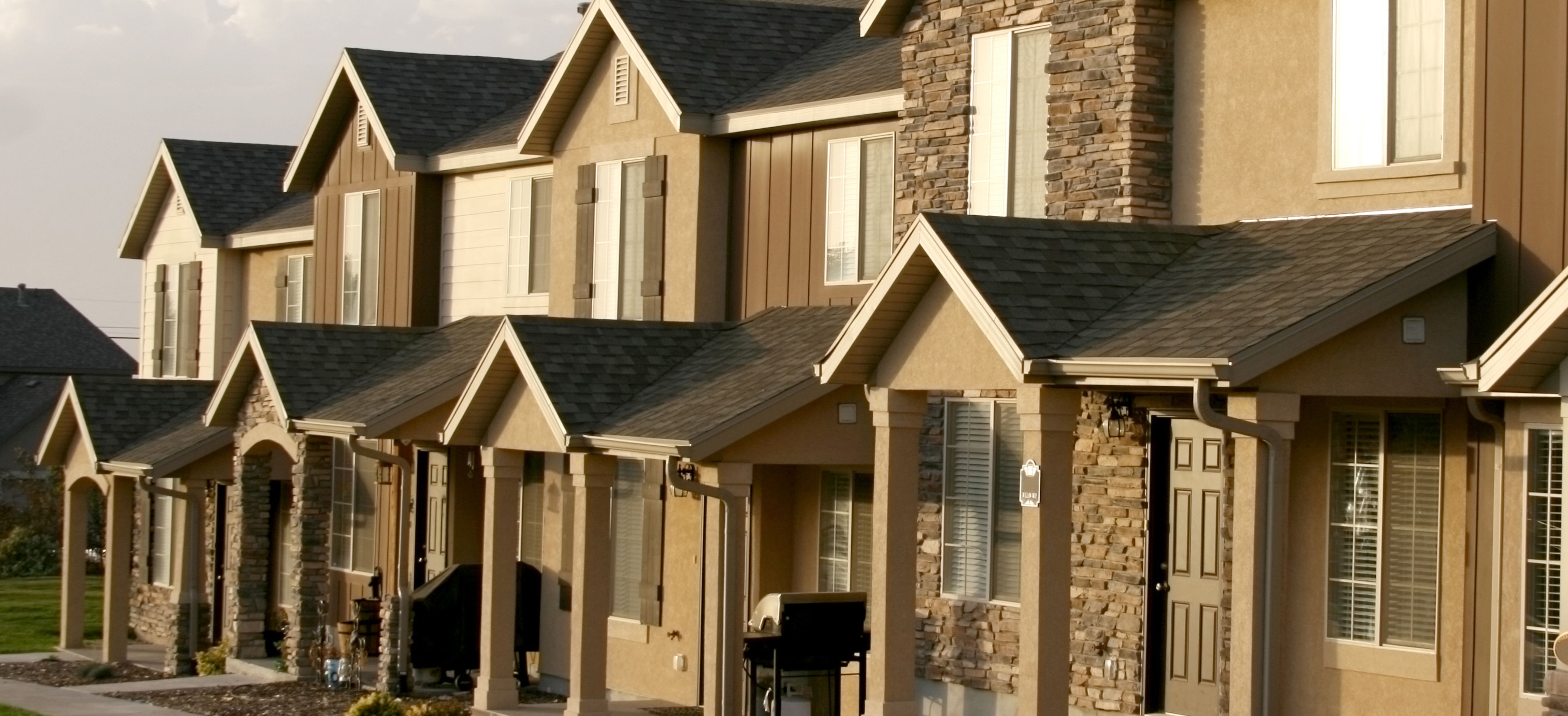
A 940-square-foot house with two beds and two baths doesn't look like the source of a $450,000 profit. It wasn't. The house was never touched, and the money was made entirely behind it.
This investor bought the $587,000 property, left the existing house exactly as it was, and built four new townhome-style units in the backyard instead. Certain Lending financed that build, and the numbers on the finished project are real, not a hypothetical.
The Backyard Was Worth More Than the House
An 8,000-square-foot lot carrying one small, untouched house was sitting on far more building capacity than the structure on it was using, and this investor priced the purchase against what the backyard could hold rather than against the modest house itself.
Leaving the existing 940-square-foot house alone kept the acquisition simple and avoided renovation costs that wouldn't have moved the numbers much anyway. The real decision was what to build behind it: four separate townhome-style units, each 1,160 square feet with three beds and two and a half baths, plus rooftop space with city views on every unit.
Four Coordinated Townhomes Is a Financing Scope, Not Four Separate Projects
Building four new units behind an existing house means running one coordinated construction budget across four structures at once, not four individual small-build loans stacked on top of each other.
That distinction matters because most lenders size a construction file around a single structure and a single exit. A backyard build with four separately sellable townhomes needs financing that treats the whole build as one scope from permit to final draw, since a delay or a shortfall on any single unit can hold up the sale timeline on all four. Lenders unfamiliar with multi-unit backyard builds tend to either decline the file outright or price it as four separate small loans, which adds cost and coordination risk the investor doesn't need to carry.
Certain Lending Financed the Build Against What Four Finished Townhomes Would Be Worth
Certain Lending's Construction product financed the $1.35 million needed to build all four backyard units, underwritten against the finished value of the completed townhomes rather than the investor's personal income or the existing house's standalone value.
Draws moved on the standard virtual-inspection schedule, funding in 3-4 business days once each inspection cleared. On a four-unit backyard build, that speed compounds: four structures moving through the same draw cycle finish closer together, which keeps all four exits lined up instead of staggering months apart.
The Math That Turned $587,000 Into $2.6 Million
Add the $587,000 purchase, the $1.35 million construction budget, and the holding and selling costs that came with it, and the all-in cost on this project lands at $2.15 million. Against a combined exit of $2.6 million, that clears roughly $450,000 in profit.
That gap exists because the lot could support four additional sellable units without touching the original house at all. A buyer who purchased the same property intending only to live in or rent the existing house would have left that entire backyard value on the table. Building four townhomes behind it, financed as one scope, is what turned a $587,000 purchase into a $2.6 million outcome.
The replicable part isn't the specific lot. It's the sequence: leave an undervalued existing structure alone when tearing it down or renovating it wouldn't add enough value to justify the cost, size the real opportunity against the unused land behind it, and finance the new build as one coordinated scope instead of four separate small projects.
Deal Snapshot
- Loan type: Construction (ground-up build, four backyard townhome units, existing house untouched)
- Loan amount: $1.35 million (100% of the construction budget for a qualifying, experienced developer)
- Total project cost, all-in: $2.15 million
- Exit value: $2.6 million
- Profit: roughly $450,000
Key Takeaways
- Price the lot against what the backyard can hold, not just against the house sitting in front. This investor left a $587,000 house untouched and built the entire return behind it.
- Four coordinated new units on one lot is a single financing scope, not four separate small-build loans. One construction budget covering all four structures kept the draw schedule and the exit timeline aligned.
- Run the all-in number before committing: purchase, construction, and carrying and selling costs together. On this deal, $2.15 million all-in against a $2.6 million exit cleared roughly $450,000.
Frequently Asked Questions
Can Certain Lending finance new construction in a backyard behind an existing house?
Yes. Certain Lending's Construction product covers ground-up builds of one or more new units on a lot, financed as one coordinated construction budget, whether or not the existing structure is touched.
Does Certain Lending finance 100% of the construction cost on a multi-unit backyard build?
Yes, up to 100% of the construction budget is financed for a qualifying, experienced developer, underwritten against the finished value of the completed units.
How fast do construction draws fund with Certain Lending?
Draws fund in 3-4 business days from a virtual inspection, which keeps a multi-unit build on the same timeline instead of letting individual structures fall out of sync.
Do new backyard units need to be sold together?
This project sold the units as separate townhome-style properties, with the financing structured around the full construction scope rather than any single unit's individual value.
If your lot has more room behind the house than the house itself is using, Certain Lending's Construction product finances the full build against the finished value of the project. Start at CertainLending.com or call (833) 747-3927 to run the numbers on your own backyard.
